The Forfeit Clause: How Lost Bets Became Terrace Names

Photo: Tim Sheerman-Chase, CC BY 2.0, via Wikimedia Commons
Every terrace nickname needs a creation myth. Some are born from a misspelt programme, others from a commentary gaffe. But the most durable ones often start with two words: 'You're on.' A bet is the only contract football culture truly respects. It doesn't need a witness, a lawyer or a paper trail—just a forfeit daft enough to be repeated in a pub for the next thirty years. Here are ten aliases that, according to the stories passed around the stands, began with a wager and ended up as canon.
The Curly Wig That Made a Keeper
The story goes that a non-league keeper lost a bet on a round of golf and had to wear a comedy curly wig for a full pre-season warm-up. By the second lap, the away end had christened him 'Coco'. The wig vanished after August; the name didn't. Keepers are judged on clean sheets, but they're remembered for forfeits.
The Sunday Side That Played a Season as a Punchline
A pub team in the north-east lost a bet to their landlords and were forced to register as 'The Saucy Sausages' for one season. The league laughed, the opposition laughed, then the name started appearing on flags. The following year they tried to change it back. The supporters—all eleven of them—voted no.
The Centre-Half Known as 'The Meter'
After losing a darts match, a centre-half had to arrive at training by taxi for a week. He lived four minutes from the ground. The lads started calling him 'The Meter' every time he pulled up. A decade later, the nickname is still on his coaching badge. The taxi firm even sponsored the away end for a season.
The Sombrero Loanee
A loan signing lost a bet on the Grand National and had to wear a sombrero during the warm-up at his new club. The home fans, never ones to miss a free prop, sang 'El Sombrero' to the tune of a popular chant. He only played six games. The song outlasted his loan, his parent club and, for all we know, the hat itself.
The Badge Designed by a Loser
Two committee members at a non-league club settled a card-game bet with a forfeit: the loser had to design the new club badge. He couldn't draw. What emerged was a teapot with legs. The nickname 'The Teapots' followed within a month. The badge is now a collector's item, and the committee has never let him forget it.
'Bovril Bob' and the Flask of Doom
A fan bet a mate he could down an entire flask of Bovril in one go at half-time. He couldn't. But he tried, and the away end saw. 'Bovril Bob' was born before the second half kicked off. He now runs a supporters' coach and answers to nothing else. The flask is framed in his shed.
The Dressing-Room Bet That Named a Derby
Two players bet on a game of pool; the loser had to address the winner as 'Your Lordship' for a month. The rest of the squad joined in. By the time the two clubs met again, the terrace had picked it up and the fixture became 'The Lordship Derby'. The original pool table was sold to a pub. The name stayed.
The Mascot Who Lost a Race
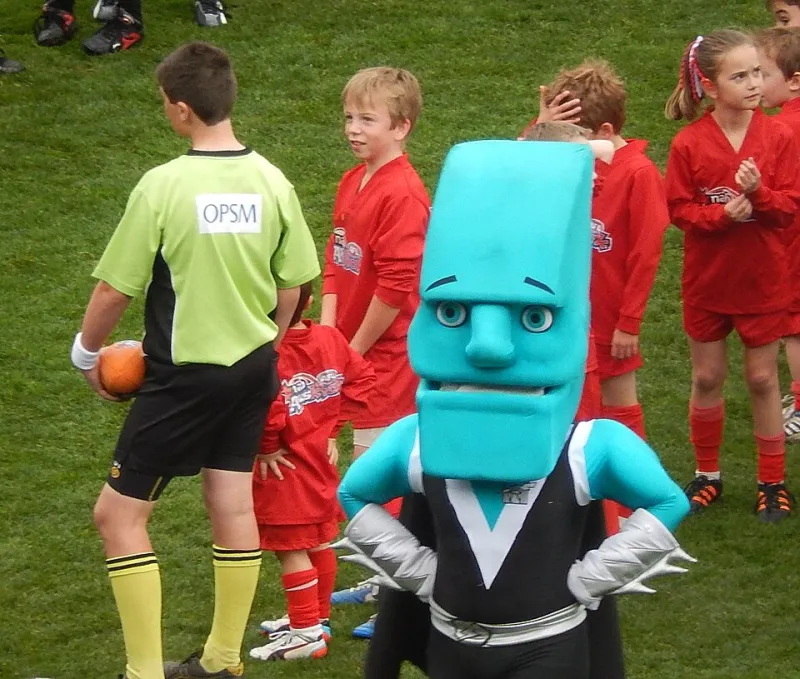
A club mascot bet the under-12s he could beat them in a half-time race. He lost. The kids chanted 'Pigeon'—because he'd flapped, apparently—and the name stuck to the suit. The mascot now does the rounds at birthdays. The bet is still mentioned in the matchday programme.
The Kitman's Revenge
A kitman lost a bet and had to stitch a nickname onto the skipper's shirt for one game. He chose 'The Landlord' because the skipper kept buying the rounds. The shirt was supposed to be a one-off. It sold out in the club shop. The skipper now has it tattooed on his calf.
The Flag That Started With a Fiver
An away fan bet a fiver he could get a new nickname into a chant before the end of the season. He did it in three weeks. The name—'The Flying Pigs'—was daft, unprintable in some programmes and beloved by the away end. The fiver is still pinned above the bar in his local. The flag is in the club museum.
Bet-born nicknames survive because they're portable. You don't need to have been there; you just need to know the forfeit. The story is the real trophy. And the next time someone says 'You're on', listen closely—you might be hearing the first draft of a terrace legend.