The Borrowed Boots: Why Every New Signing Arrives as Somebody Else's Legend

January is nearly here, which means the rumour mill is about to start handing out borrowed legends like complimentary scarves. A 19-year-old winger lands from somewhere in Europe, and within 45 minutes of the airport photo he is 'the new Keegan'. A midfielder with a nice first touch becomes 'the next Gascoigne' before he has found the training ground canteen. It is football's most reliable naming tradition, and it is also its laziest.
The Template Machine
There is nothing wrong with a shortcut. Terrace culture has always run on shorthand. But the 'new [insert legend]' tag is a particular kind of shortcut: it tells you nothing about the player and everything about the fan doing the telling. It is a comparison dressed up as a nickname, and it usually arrives before the player has had a first touch, a first sprint, or a first badly timed interview about how much he loves the city's culture.
The pattern is so familiar that you can almost set your watch by it. A club signs a young forward. Within a day, someone on a phone-in says he is 'the new Keegan'. A club signs a maverick midfielder. He is 'the next Gascoigne'. A club signs anyone with a left foot and a nice turn. He is 'the new Zidane'. Nobody has watched him play 90 minutes, but everybody has already decided which historical coat he is wearing.
The Templates, Marked and Ranked
The New Keegan. Small, busy, blond-ish, a bit of a scamp. The template demands perpetual motion and a sense that the player might score, assist, or start a fight in the same passage of play. It is a compliment, but it is also a warning: Kevin Keegan's boots were not just about running.
The Next Gascoigne. Usually handed to a midfielder with a lovely first touch and a hint of chaos. The tag carries talent, temperament and a whole lot of baggage in one neat package. It is less a nickname than a stress test.
The New Shearer. A tall No. 9 who takes penalties, attacks crosses and looks like he has never been asked to play false nine in his life. Fans love this one because it suggests the club has finally signed a proper centre-forward rather than a winger in disguise.
The New Giggs. Any left-sided attacker who can run at a full-back. The alias comes with an expectation of longevity, which is a lot to put on a loanee from Belgium.
The New Vardy. A forward signed from the lower leagues, preferably with a chip on his shoulder and a celebration that needs explaining. This is the most romantic template, and the one most likely to be deployed after a single pre-season goal against a League Two side.
The New Zidane. A left-footed midfielder who once did a roulette in a highlights reel. The alias is usually retired by the second international break.
The New Maldini. A defender who can pass. That is it. That is the whole template.
The New [Insert Club Legend]. The local variant. Every club has one. A young player who shares a position, a haircut or a first name with a terrace hero gets the borrowed coat whether he wants it or not.
Why We Cannot Wait
Part of it is transfer fatigue. By the time a January window opens, fans have spent weeks refreshing pages and arguing about players they have only seen in highlight clips. The 'new [legend]' tag is a way of making an unknown feel familiar. It gives people something to say on the group chat.
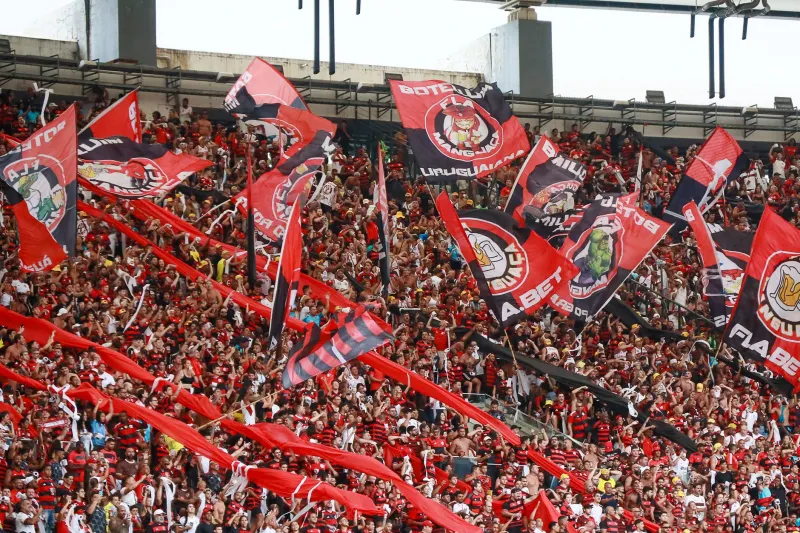
Part of it is social media. A nickname is a handle. It travels faster than a scouting report. If a broadcaster says 'the new Gascoigne' on deadline day, the phrase is already in the culture before the player has trained. The terrace then has to decide whether to adopt it, mock it, or ignore it completely.
And part of it is hope. Football fans are not stupid. They know the new Keegan is probably not the new Keegan. But the alias is a small act of optimism, a way of saying: this one might be different. It is the same instinct that makes us believe a fifth-round cup draw is a route to Wembley.
The Ones That Aged Badly
Some aliases are cursed from the start. The 'new Pelé' tag has been handed to enough teenagers to fill a five-a-side team, and it rarely ends with a statue. The 'new Maradona' is even worse, because it asks a young player to be a genius, a folk hero and a headache all at once. The 'new Zidane' label usually means a left-footed midfielder who once did a lovely turn in a league that nobody watches on a Saturday afternoon.
The ones that age badly are not always the players' fault. A tag can be too heavy, too early, or too specific. A forward compared to a club legend after one good month is being set up for a fall. A midfielder compared to Gascoigne is being asked to carry a story as much as a football. The terrace remembers. When the alias goes wrong, it does not disappear quietly. It becomes a punchline, a chant for the wrong reasons, a line in a rival's song.
The Survivors
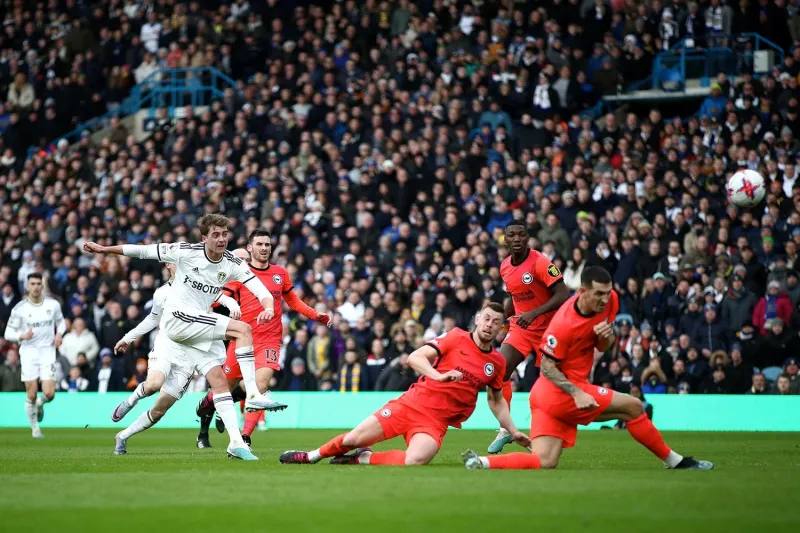
Rarely, the borrowed coat fits. But the interesting thing about the survivors is that they rarely stay borrowed. The alias gets dropped when the player does something the legend never did in that shirt. A January signing scores the winner against the rivals and becomes 'that mad lad from [place]'. A defender puts in a tackle that wins a derby and gets a name built from the moment rather than the comparison. The 'new [legend]' tag fades because the player has given the terrace something better to work with.
That is the real test. It is not whether the player looks like the legend. It is whether the player gives the fans a moment that fits in a chant. Once that happens, the old coat comes off.
January 2027: The Sweepstake
With the 2027 winter window on the horizon, here is a light predictive sweepstake for the group chat. Pick one likely signing per club. Assign him a template before he signs. Then score it as the window unfolds.
One point if a broadcaster uses the alias on deadline day. Two points if the away end turns it into a chant. Three points if the player earns a genuinely new terrace name before the window shuts. Minus one point if the alias is used sarcastically after a home defeat. Minus two if the player's own social media team tries to trademark it.
The smart money is on 'the new Salah' for any left-footed winger, 'the new De Bruyne' for a midfielder who takes corners, and 'the new Kane' for a striker who drops deep and passes. The romantic money is on 'the new Vardy' for a forward from the lower leagues. The chaotic money is on 'the new Gascoigne' for anyone with a highlights reel and a suspiciously good first touch.
How a January Signing Earns a Real Name
To get a terrace name before the window shuts, a player needs a moment that fits in a chant. It can be a goal, a tackle, a celebration, a haircut, or a beautifully petty booking. The name usually has two syllables or a hard consonant, because that is what travels from the back of the stand. It often comes from a mistake as much as a triumph. A player who falls over his own feet and then scores the winner is more likely to get a nickname than one who quietly plays well for six weeks.
That is the difference between a template and a terrace name. The template is handed out before the first touch. The terrace name is earned after it. And the best January signings are the ones who arrive as somebody else's legend and leave the window as their own.