Bench Warmers, Terrace Royalty: How Late Cameos Earn the Names That Stick
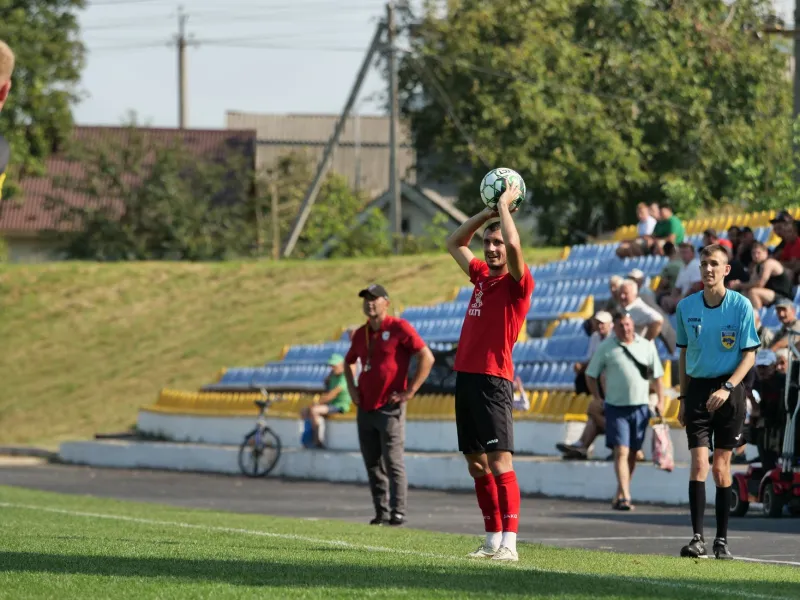
There is a particular noise that greets the fourth official’s board at around the 68th minute. It is not the full-throated roar reserved for a goal, nor the low grumble that follows a backwards pass. It is a murmur of recognition, a shuffle of anticipation, the sound of a terrace clocking that the manager has finally decided to send for the cavalry. The bloke peeling off his tracksuit may have started the season as a squad number and a pronunciation guide. By 5pm he can be a folk hero with a two-syllable alias and a chant that follows him to the car park.
Substitutes are football’s great nickname incubator. Starters arrive with reputations, price tags and a body of work that fans can argue about for months. A substitute arrives with a blank page. Sometimes that page gets filled in by a scuffed winner, a daft haircut, a warm-up routine or the simple fact that he looks like he has just come off a building site. The nickname does not need to be fair. It just needs to be singable.
The board goes up, the name goes on
A starting XI is a statement of intent. The bench is a rumour. That is why the terrace imagination goes to work so quickly on a substitute. The starter has already been judged: too slow, too soft, too fond of a stepover. The sub is still a possibility. He might be the answer. He might be the reason the manager gets sacked. Either way, he needs a name before the next corner.
Generic labels do some of the heavy lifting. Super Sub is the tabloid shorthand that has clung to everyone from David Fairclough at Liverpool in the 1970s to Ole Gunnar Solskjær at Manchester United in the 1990s. It is efficient, memorable and almost impossible to shake once a player has scored a few late goals. But the best terrace versions are more local, more ridiculous and usually a bit unfair. A player who comes on to run the channels for twelve minutes does not get called The Tactical Adjustment. He gets called something like Two-Lung Terry or The Lad Who Never Passes. The nickname is not a scouting report. It is a bit of crowd-sourced brand management.
Twenty minutes is plenty for a myth
There is a reason the substitute’s nickname often outlasts the starter’s. Scarcity does wonderful things to memory. A player who starts every week is exposed to the full range of human emotion: brilliant on Saturday, hopeless on Tuesday, booed by the same people who were singing his name a fortnight earlier. A substitute is protected by the edit. Fans remember the late header at the away end, the penalty he won, the time he clattered the opposition captain and got away with it. The ordinary stuff gets filed away as context. The legend gets a nickname.
Solskjær is the classic case. He was a genuinely excellent striker, but the terrace and the back pages latched onto the idea of him as a man who lived in the shadows and emerged to break hearts. The Baby-Faced Assassin is a nickname that does more work than any stat sheet. It tells you about his finishing, his calmness and the slightly unnerving fact that he looked like he should have been revising for his GCSEs. Fairclough’s Super Sub tag did something similar at Liverpool: it turned a squad role into a mythology. The nickname was not a demotion. It was a promotion to a different kind of fame.
Then there are the one-cameo wonders. Federico Macheda’s late debut goals for Manchester United in 2009 made him a name before he had a proper senior career to speak of. The nickname almost did not matter; the moment was so vivid that the player and the story became one thing. That is the substitute’s advantage. He can be remembered for a single afternoon. A starter needs a season to get that kind of affection.
The vocabulary of the bench
Substitute culture has its own language. Impact player, game-changer, the cavalry, the closer, the lad who comes on to see out the game and somehow ends up on the wing. Managers talk about options and minutes. Fans talk about who they want to see warming up when the team is one-nil down with ten to go. The bench is where hope is stored, and hope is a fertile place for nicknames.
Some aliases are built on role: Super Sub, The Finisher, The Late Show. Some are built on physique: The Unit, The Fridge, The Big Lad Up Top. Some are built on a single repeated action, like the substitute goalkeeper who becomes a penalty-saving specialist and is forever known as the cup-tie merchant. The nickname does not have to be clever. It has to fit the tune that someone starts in the second row.
That is the other thing about subs and songs. A chant for a starter has time to develop. A chant for a substitute often has to be invented in the moment, while he is still taking his warm-up top off. That urgency strips the lyrics back to the essentials. Two syllables, a clap, a repeated line. The result is often warmer and funnier than the more considered songs for the established names. The away end does not have time to be subtle. It has a late winner to celebrate and a new alias to test.
Why the starters get the headlines but the subs get the songs
There is a light argument to be made that limited minutes make a nickname stick harder. A starter’s reputation is a long negotiation with reality. A substitute’s reputation is a series of snapshots. The fan does not see the bad touches in the first half because there weren’t any. The fan sees the run, the finish and the celebration. The nickname grows around that highlight like ivy around a drainpipe.
It also helps that the substitute is usually an underdog. Football fans love a player who seems to have been slightly overlooked. The bench is full of lads who were told they were too small, too slow or too inconsistent. When one of them comes on and changes a game, the nickname becomes a small act of defiance. It is the terrace saying: we saw him before the pundits did. We had a name for him when he was still a fixture on the bench.
A warning about overexposure
The system is not foolproof. A nickname built on scarcity can curdle when the player becomes a starter. The Super Sub who gets a run of ten games is suddenly just a forward who misses chances. The chant loses its novelty. The alias starts to sound ironic. Some players never escape the role, which is why the bench can be both a launchpad and a ceiling. The nickname is a contract with a specific situation: late winner, away end, limbs. Break the contract and the name may not survive.
That is part of the charm. Football nicknames are not supposed to be permanent job titles. They are supposed to be useful. A substitute’s nickname is useful because it captures a mood: the hope of a late goal, the joy of a scruffy win, the suspicion that the manager has no idea what he is doing but might have accidentally found the answer. It is a small piece of terrace folklore, made in twenty minutes and repeated for years.
In 2026, with benches deeper than ever and five substitutions part of the furniture, there are more cameos than ever. That should mean more nicknames. Not all of them will stick. The best ones will come from the same place they always have: a player nobody expected much from, a moment nobody saw coming and a crowd that needed something to sing about on the way home. Next time the board goes up, watch the bloke in the tracksuit. He might just be about to get a name.