Archive Raid or Homecoming? The Old Club Nicknames Making a Comeback

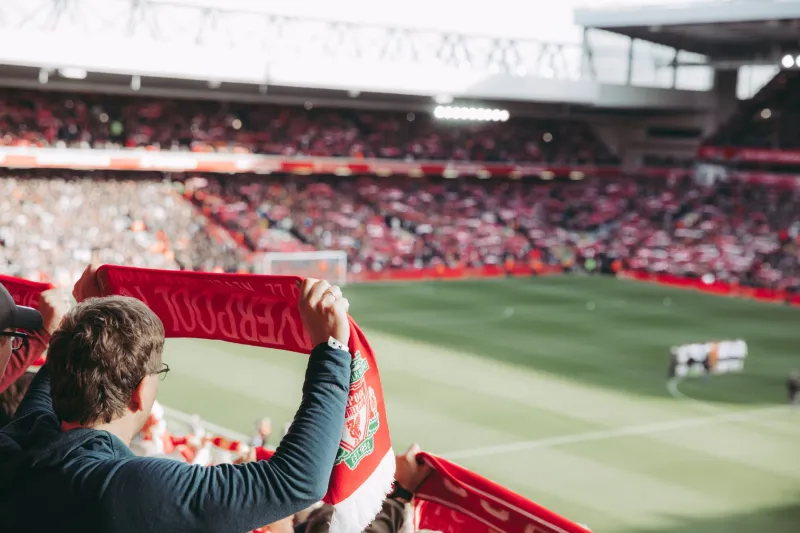
Photo: Otto Askr, CC0, via Wikimedia Commons
Football clubs are hoarders. Old badges, old kits, old songs. Usually the archive stays in the archive. But every so often a nickname climbs out of it, dusted down and placed carefully on a training top. The result can feel like a homecoming. It can also feel like a brand team found a word in a cupboard and decided it was 'heritage'.
The Biscuitmen return to the shelf
Reading are the best recent example. The club's old nickname, The Biscuitmen, came from the Huntley & Palmers biscuit factory that once dominated the town. It was replaced by The Royals in the 1970s, but it never quite died. Fan campaigns, retro shirts and a general appetite for local history have brought it back as a cult badge. That one works because it is specific. It belongs to Reading in a way that 'The Royals' never quite can. It is also gently ridiculous, which helps.
Names in the attic
Crystal Palace have a similar piece of heritage in The Glaziers, a nod to the building that gave the club its name. The Eagles is the modern identity, but the old name still appears on retro merch and in fan culture. Chelsea's Pensioners is another attic name — tied to the Royal Hospital Chelsea and worn on early badges. The club is The Blues, full stop, but the Pensioners survive as a nostalgic wink.
West Bromwich Albion have a slightly different case with The Throstles. It never went away completely, but it lives in the shadow of The Baggies. When a retro range leans on the throstle, it feels like a reminder rather than a revival. That is often the safest kind of comeback: the name was never really dead, just quiet.
The question is not whether these names are good. They are. The question is who is doing the remembering, and why.
The new-owner test
A change of ownership is often the moment a nickname gets exhumed. New owners want a story. An old nickname is cheap heritage, ready-made for a first-season video and a capsule collection. Sometimes that is fine. Sometimes it is a sticker on a training top and nothing more. Fans can tell the difference between a club rediscovering its own language and a marketing department raiding the archive because the current branding tested badly.
The tell is usually in the chant. If a revived nickname turns up in the stands without a prompt, it is alive. If it only exists on a product page, it is decoration.
When revival works
The comebacks that land tend to share three things: local roots, fan ownership and a sense of humour. Reading's Biscuitmen passes all three. It is not trying to replace The Royals; it is a second language. Palace's Glaziers works because it points to a real place and a real story. Nobody is pretending it is the current badge.
It also helps when the club does not over-explain it. The worst revivals come with a paragraph of copy explaining why the name is 'authentic'. If you have to caption the nostalgia, you have probably missed it.
When it is just an archive raid
The warning signs are familiar. A retro range appears with an old nickname the club has never used in living memory. The word is spelled wrong. The badge is nearly right. The launch video uses the phrase 'heritage story'. And then the nickname vanishes again when the season ends. That is not a revival. That is a limited-edition cash-in.
The 2026 retro market has made this easier than ever. Clubs can sell a 1990s shirt and an 1890s nickname in the same drop. But a nickname is not a fabric pattern. It needs to be said, not just stocked.
The final whistle
Reviving a nickname is like bringing back a terrace song. You can print the words on a scarf, but you cannot make people sing. The ones that survive are the ones fans were already humming. The rest are just archive raids with a markup.