Bricks, Banks and Bovril: Ten Ground Nicknames That Won't Be Bought
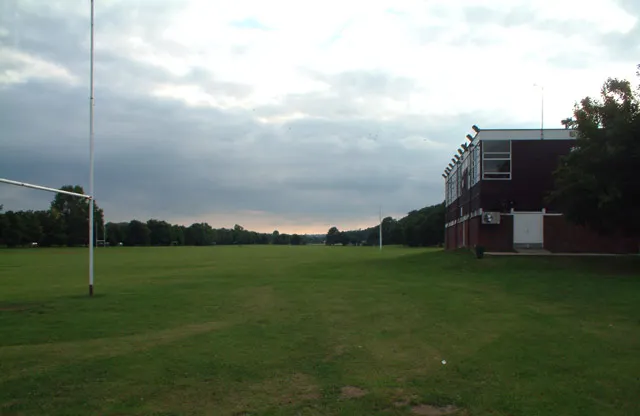
Photo: Philip Talmage, CC BY-SA 2.0, via Wikimedia Commons
Ask for directions to a ground in 2026 and you will usually get a nickname, not a sponsored title. The official name is on the ticket and the website; the terrace name is in the pub, the group chat and the chant. That gap is where football's folk vocabulary lives.
Why the Fan Name Wins
Naming rights are a contract. A nickname is a memory. The sponsored name arrives with a press release and a logo; the fan name arrives because the ground is near a bakery, because the old stand had a clock, because the team once won there when nobody expected it. It is shorter, funnier and easier to shout. Clubs can rebrand the signage, but they cannot rebrand the way a supporter gives directions. In 2026, the corporate name is normal; the stubborn nickname is still the real name in conversation.
The Ten
1. White Hart Lane — Tottenham Hotspur Stadium. The official name does exactly what it says on the tin, which is the problem. Tottenham Hotspur Stadium is a filing cabinet; White Hart Lane is a place. Fans still say White Hart Lane, or the new Lane, and the old name survived a demolition and a rebuild. You cannot sponsor a habit.
2. The Library — Emirates Stadium, Arsenal. The sponsor is on the roof, but the fan name is a verdict. The Library started as a dig at quiet home crowds and became shorthand for the whole experience. It beats the brand because it is funny, self-aware and says more than Emirates ever could. A nickname that makes you smile is harder to replace than one that makes you yawn.
3. The Brit — bet365 Stadium, Stoke. Britannia became bet365, and supporters kept the Brit. It is shorter, warmer and does not sound like a website. The new name is technically correct; the old one is culturally correct. That is usually the end of the argument.
4. The Reebok — Toughsheet Community Stadium, Bolton. The current sponsor name is a joke waiting to happen, and fans still call the place the Reebok. Older supporters may say Burnden Way. Either way, the commercial name has not displaced the old one. Some names are so tied to a club's rise that a new logo cannot get a look-in.
5. The Madejski — Select Car Leasing Stadium, Reading. Select Car Leasing Stadium is a mouthful; the Madejski is a word. An old sponsor became shorthand and then became folklore. Fans did not vote on it. Usage did the voting, and usage is ruthless.
6. The Liberty — Swansea.com Stadium. One sounds like a football ground; the other sounds like a login page. The Liberty survived the rebrand because it is easy to say, easy to chant and easy to put on a flag. Swansea.com may be on the paperwork, but the Liberty is on the lips.
7. The KC — MKM Stadium, Hull. Kingston Communications became MKM, and the old acronym stuck. The KC is local, short and loaded with history. The new name is fine; it just has not been adopted. There is a difference between a name being official and a name being used.
8. Eastlands — Etihad Stadium, Manchester City. Etihad is one of the most visible sponsor names in world football, yet Eastlands persists because it describes the area and predates the deal. Fans use both, depending on the sentence. The folk name has not gone, and that is the point. A sponsor can buy the ground; it cannot buy the geography.
9. Bramley-Moore Dock — Hill Dickinson Stadium, Everton. New ground, new sponsor, old habit. Everton fans are already saying Bramley-Moore or the Dock. Place names beat law firms in chants because they belong to the city, not the balance sheet. Give it a few years and the sponsor may be the footnote.
10. The DW — Brick Community Stadium, Wigan. DW was Dave Whelan's initials and became the club's address in the mind. The Brick is the new name, but the DW is still the one that carries the story of Wigan's rise. Initials can outlast a rebrand when they are tied to a whole era.
The Takeaway
The ten names above are not all beautiful. Some are grumpy, some are accidental, some are just easier to say after four pints. But they share one thing: they were made by people, not by a brand team. In 2026, football is more commercial than ever, and the terrace still keeps a parallel dictionary. The sponsor may own the stadium. The fans own the name.